Square Foot Gardening Companion Planting Chart: An Overview
Square Foot Gardening (SFG) maximizes small spaces, and utilizing a companion planting chart PDF streamlines planning for optimal growth and yields within defined squares.
These charts offer pre-planned combinations, reducing guesswork and boosting success, especially for beginners navigating this intensive gardening technique.
What is Square Foot Gardening?
Square Foot Gardening (SFG) is a revolutionary method designed for maximizing yields in limited spaces. It diverges from traditional row gardening by dividing the growing area into one-foot by one-foot squares, creating a highly organized and efficient system.
This technique typically utilizes raised beds filled with a specific soil mix – often called “Mel’s Mix” – to ensure optimal drainage and nutrient availability. The core principle involves intensive planting, meaning more plants are grown in a smaller area than conventional methods.
A companion planting chart PDF becomes invaluable within SFG, guiding gardeners to strategically pair plants that benefit each other, enhancing growth, deterring pests, and improving overall garden health. It’s a fantastic solution for those with small backyards or limited gardening experience.
Benefits of Square Foot Gardening
Square Foot Gardening (SFG) offers numerous advantages, particularly for those with limited space or physical limitations. It drastically reduces weeding, as the intensive planting naturally suppresses weed growth, and minimizes wasted space, leading to higher yields in smaller areas.
Water usage is also significantly reduced due to the concentrated planting and improved soil structure. Furthermore, SFG is less physically demanding than traditional gardening, making it accessible to a wider range of gardeners.
Integrating a companion planting chart PDF amplifies these benefits, promoting natural pest control and improved pollination, ultimately leading to healthier, more productive plants within each square foot.
Understanding Companion Planting
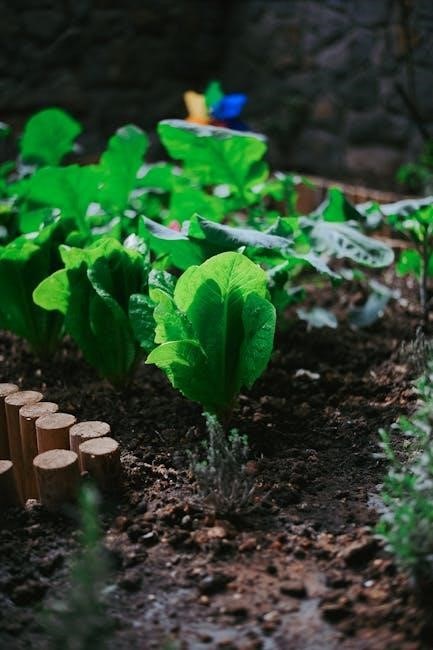
Companion planting strategically pairs plants for mutual benefits, like pest control or improved growth, and a chart PDF simplifies these combinations for SFG.
Why Companion Planting Matters
Companion planting is crucial in Square Foot Gardening due to the intensive, close-proximity nature of planting. Utilizing a companion planting chart PDF becomes incredibly valuable when maximizing limited space. These charts aren’t just about aesthetics; they’re about creating a thriving ecosystem within each square foot.
Strategic pairings can naturally deter pests, reducing the need for chemical interventions. Some plants enrich the soil with nutrients beneficial to their neighbors, while others physically support each other’s growth. A well-planned garden, guided by a chart PDF, can lead to increased yields and healthier plants, all within the confines of a small, manageable space. It’s about working with nature, not against it, to achieve gardening success.
Basic Principles of Companion Planting
Understanding core principles enhances the effectiveness of a Square Foot Garden and a companion planting chart PDF. Key concepts include attracting beneficial insects – like ladybugs – to control pests, and repelling harmful ones through scent or plant chemistry. Nutrient cycling is vital; some plants ‘fix’ nitrogen in the soil, benefiting nitrogen-hungry companions.
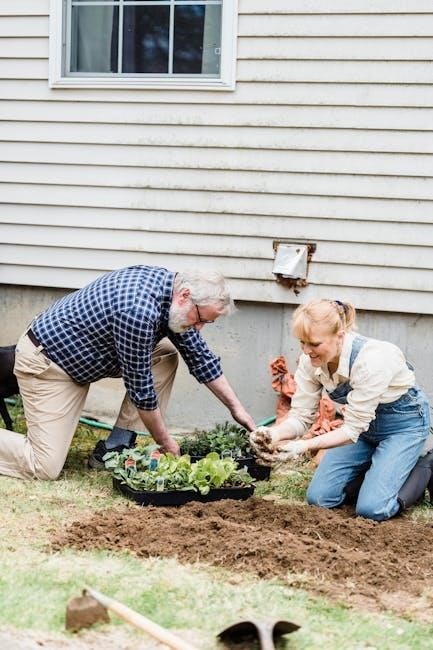
Physical support is another principle; taller plants can provide shade for those needing protection. A chart PDF simplifies applying these concepts. Avoid planting incompatible pairings – like fennel near most vegetables – as they can inhibit growth. Successful companion planting, guided by a reliable resource, fosters a balanced, productive garden ecosystem within each square foot.
Companion Planting Chart for Square Foot Gardens
Utilizing a companion planting chart PDF is crucial for SFG success, guiding plant pairings to maximize space, deter pests, and boost yields effectively.
Leafy Greens & Their Companions
Leafy greens thrive in square foot gardens with strategic companions, as detailed in many companion planting chart PDFs. Lettuce benefits greatly from being interplanted with radishes; the radishes mature quickly, marking rows and loosening soil for the lettuce.
Spinach pairs wonderfully with strawberries, offering ground cover that retains moisture and suppresses weeds, while the strawberries appreciate the spinach’s shade during warmer periods. These charts often highlight how these combinations improve flavor and overall plant health.
Other beneficial companions for leafy greens include carrots, beets, and onions, all detailed within comprehensive PDF guides, ensuring a productive and harmonious garden space.
Lettuce & Radishes
Lettuce and radishes represent a classic companion pairing, frequently showcased in square foot gardening companion planting chart PDFs. Radishes germinate and mature incredibly quickly, acting as ‘placeholders’ and markers for slower-growing lettuce rows within a square foot.
More importantly, radishes help break up the soil, creating a looser texture that benefits lettuce root development. Harvesting radishes also thins the lettuce, providing ample space for growth.
These charts often illustrate this synergy, noting how radishes can even deter certain pests that might target lettuce. This efficient use of space and mutual benefit makes them ideal companions for SFG.
Spinach & Strawberries
Spinach and strawberries, though seemingly disparate, demonstrate a beneficial relationship often detailed in square foot gardening companion planting chart PDFs. Spinach acts as a living mulch for strawberries, helping to retain soil moisture and suppress weed growth around the delicate strawberry plants.
The broad leaves of spinach also provide some shade, protecting strawberries from intense sun, particularly during warmer periods.
Strawberry plants, in turn, offer a degree of pest protection for spinach. Companion planting charts highlight this pairing as a space-saving strategy, maximizing yield in limited square footage, and promoting healthier, more productive plants.
Root Vegetables & Their Companions
Root vegetables, like carrots and beets, thrive with specific companions, information readily available in square foot gardening companion planting chart PDFs. These charts emphasize the benefits of interplanting root crops with plants offering contrasting growth habits or pest-repelling qualities.
Generally, root vegetables benefit from companions that don’t heavily shade them, allowing for optimal sunlight exposure.
Companion planting enhances soil health and reduces pest pressure, leading to increased yields within the confines of a square foot garden. Utilizing these charts ensures efficient space usage and a thriving, balanced garden ecosystem.
Carrots & Onions
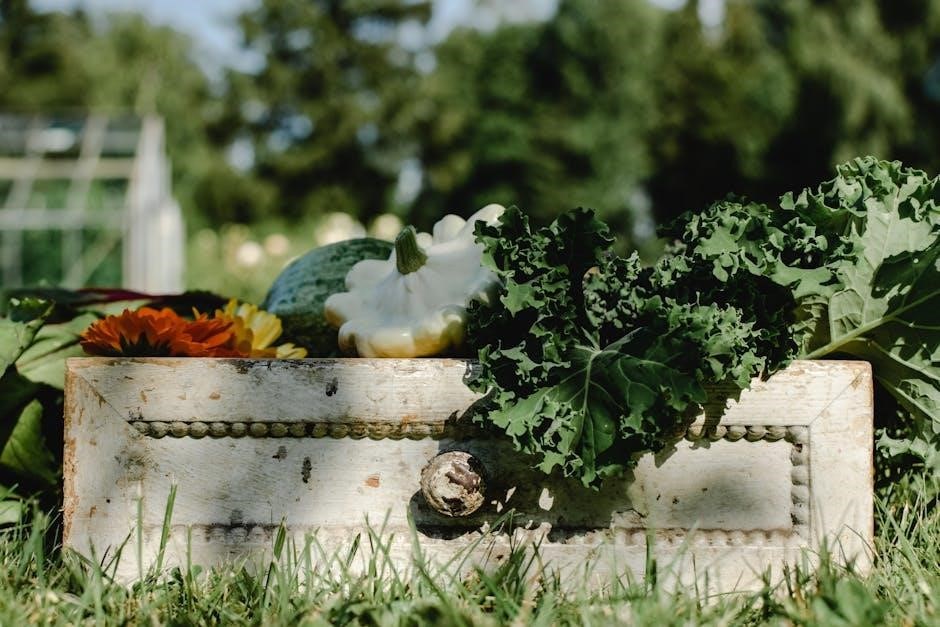
Carrots and onions represent a classic companion pairing, frequently highlighted in square foot gardening companion planting chart PDFs. This synergistic relationship stems from their mutual benefits; onions deter carrot root flies, a common pest, while carrots repel onion flies.
Planting them together creates a natural defense system, reducing the need for chemical interventions within your square foot garden.
The differing root depths also minimize competition for nutrients. Charts often recommend alternating rows or interspersing them within the same square, maximizing space and protection for both vegetables.
Beets & Garlic
Beets and garlic form a powerful alliance, consistently recommended in square foot gardening companion planting chart PDFs. Garlic acts as a natural deterrent against beet leaf miners and aphids, common pests that can decimate a beet crop.
Conversely, beets are believed to improve the flavor of garlic, creating a mutually beneficial relationship beyond pest control.
Gardeners utilizing SFG often find success by planting garlic cloves around the perimeter of beet squares or interplanting them throughout. These charts emphasize the importance of this pairing for healthier, more productive plants, reducing reliance on pesticides and enhancing overall garden vitality.
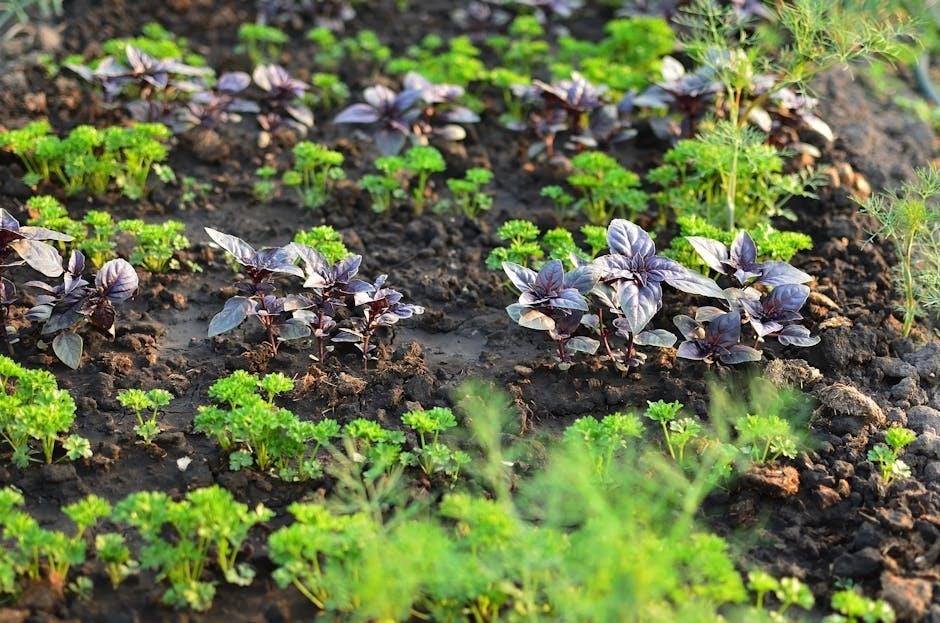
Fruiting Vegetables & Their Companions
Fruiting vegetables, like tomatoes, peppers, and cucumbers, benefit greatly from companion planting, as detailed in many square foot gardening companion planting chart PDFs. These charts highlight pairings that enhance growth, deter pests, and improve pollination.
Tomatoes thrive alongside basil, which repels tomato hornworms and whiteflies, while basil’s fragrance is thought to improve tomato flavor. Peppers benefit from marigolds, which deter nematodes and other harmful soil pests.
Utilizing these charts allows gardeners to maximize yields in limited SFG spaces, creating a thriving ecosystem within each square foot.
Tomatoes & Basil
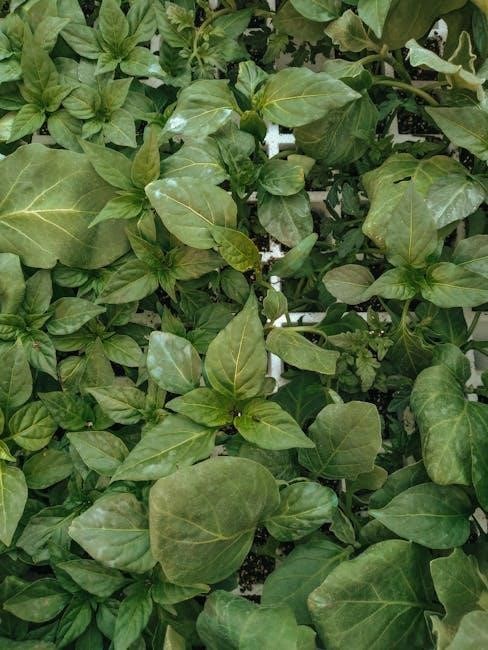
The pairing of tomatoes and basil is a classic example showcased in numerous square foot gardening companion planting chart PDFs, and for excellent reasons. Basil acts as a natural pest repellent, specifically deterring tomato hornworms and whiteflies that can decimate tomato plants.
Beyond pest control, some believe basil enhances the flavor of tomatoes, creating a more robust and delicious harvest. In the confined space of a square foot garden, this symbiotic relationship is particularly valuable.
Charts often recommend planting one basil plant per tomato plant within a square, optimizing space and maximizing benefits.
Peppers & Marigolds
Square foot gardening companion planting chart PDFs consistently highlight the beneficial relationship between peppers and marigolds. Marigolds are renowned for their ability to repel nematodes, microscopic worms that can damage pepper roots, hindering growth and yield.
They also deter other common pepper pests like aphids and whiteflies, contributing to healthier plants. The bright, cheerful marigolds add visual appeal to the garden, acting as a trap crop, drawing pests away from the valuable pepper plants.
Planting marigolds around the perimeter of the pepper square, or interspersed amongst them, is a common recommendation found in these charts.
Herb Companions for Square Foot Gardens
Square foot gardening companion planting chart PDFs emphasize the powerful role herbs play in enhancing garden health. Herbs offer a multitude of benefits, from pest deterrence to improved pollination and even flavor enhancement for neighboring vegetables.
Many herbs possess strong scents that confuse or repel harmful insects, reducing the need for chemical interventions. Utilizing herbs strategically within your square foot garden maximizes space and promotes biodiversity.
These charts often detail specific pairings, like basil with tomatoes, or chamomile near cabbage, demonstrating how herbs can create a thriving, self-regulating ecosystem within a small footprint.
Basil & Most Vegetables
Square foot gardening companion planting chart PDFs consistently highlight basil as a superstar companion plant, pairing exceptionally well with a vast array of vegetables. Its strong scent deters tomato hornworms, aphids, and whiteflies, protecting vulnerable crops.
Beyond pest control, basil is believed to improve the growth and flavor of tomatoes, peppers, and asparagus. Many gardeners report enhanced yields and a noticeable difference in taste when basil is planted nearby.
These charts often recommend interplanting basil directly within the square foot alongside your chosen vegetable, maximizing its protective and beneficial effects. It’s a simple yet effective strategy for a healthier, more productive garden.
Mint & Cabbage Family
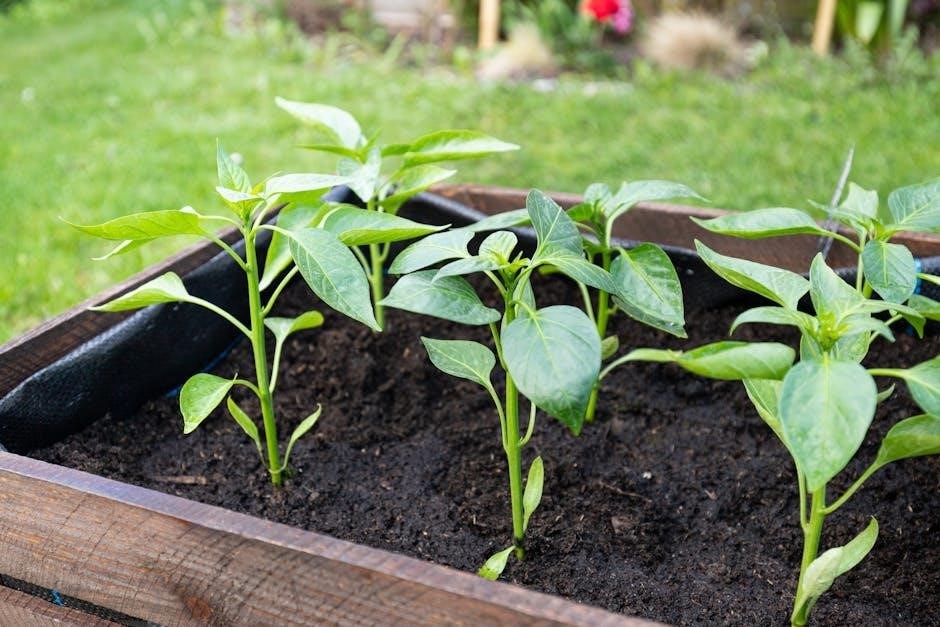
Square foot gardening companion planting chart PDFs frequently showcase mint as a beneficial companion to the cabbage family (broccoli, cauliflower, kale, cabbage, and Brussels sprouts). Mint’s potent aroma acts as a natural deterrent against cabbage moths and flea beetles, common pests that can decimate these crops.
However, it’s crucial to manage mint’s aggressive growth. Companion planting charts often advise growing mint in containers within the square foot, or bordering the cabbage plants, to prevent it from overtaking the space.
This controlled approach allows you to harness mint’s protective qualities without sacrificing valuable growing area. It’s a strategic pairing for a healthier, more abundant cabbage family harvest.
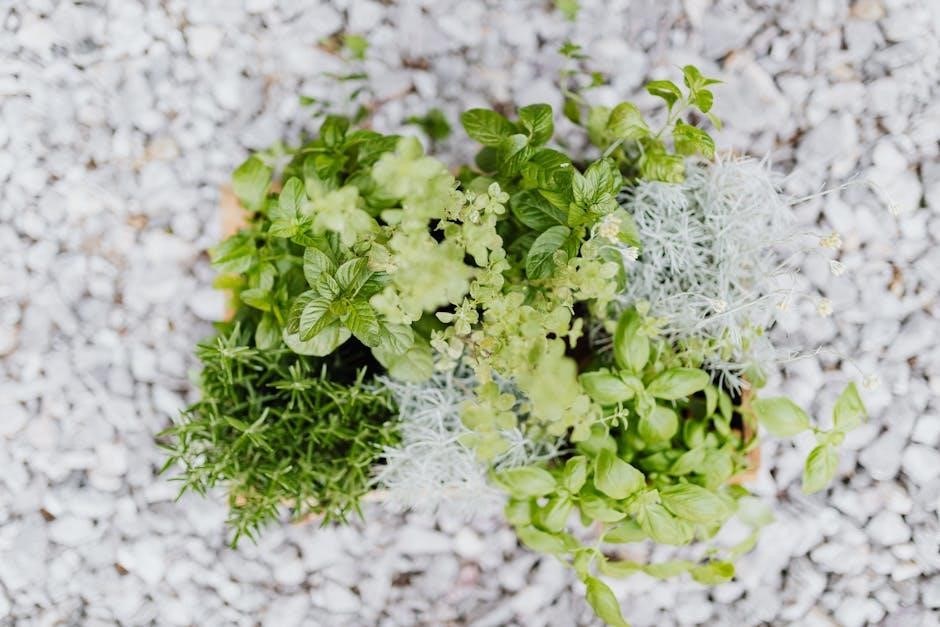
Creating Your Square Foot Garden Plan
Utilizing a square foot gardening companion planting chart PDF is key to efficient planning; pre-planned grids simplify layout and maximize yields in small spaces.
Utilizing Pre-Planned Garden Grids
Pre-planned garden grids, often found within a square foot gardening companion planting chart PDF, are invaluable tools for beginners and experienced gardeners alike. These grids visually represent optimal plant pairings within each square foot, eliminating the guesswork of companion planting.
They typically categorize plants by their needs and benefits to one another, showcasing which combinations thrive together – for example, pairing tomatoes with basil to deter pests and improve flavor. These charts often detail spacing recommendations, ensuring plants aren’t overcrowded, a common mistake in SFG.
Downloading and referencing a PDF chart allows for easy customization based on your preferences and available space. It’s a fantastic way to visualize your garden before you even begin planting, leading to a more productive and harmonious garden ecosystem.
Resources for Companion Planting Charts (PDF)
Numerous online resources offer downloadable square foot gardening companion planting chart PDFs. Many university extension offices, like those focused on the Mid-South region, provide free, research-backed charts tailored to specific climates.
Websites dedicated to organic gardening and sustainable living frequently host comprehensive charts, often categorized by vegetable type or gardening skill level. Searching for “SFG companion planting chart PDF” yields a wealth of options, including visually appealing and easy-to-understand guides.
Pinterest is also a valuable source, showcasing various charts and garden plans. Remember to cross-reference information from multiple sources to ensure accuracy and suitability for your garden’s unique conditions.
Common Mistakes to Avoid
Ignoring a companion planting chart PDF, or overcrowding squares, hinders growth; understanding plant needs and spacing is crucial for SFG success.
Overcrowding in Square Feet
Overcrowding is a frequent pitfall in Square Foot Gardening, directly contradicting the method’s efficiency; While the appeal lies in maximizing space, cramming too many plants into a single square foot negates the benefits.
A companion planting chart PDF is invaluable here, as it illustrates appropriate plant densities. Ignoring these recommendations leads to competition for vital resources – sunlight, water, and nutrients – resulting in stunted growth and reduced yields.
Plants require adequate airflow to prevent fungal diseases, and overcrowding restricts this. Carefully consult your chart, considering mature plant sizes, and resist the urge to squeeze in “just one more” seedling. Remember, healthy, spaced plants outperform a densely packed, struggling mass.
Ignoring Plant Needs
Successfully employing a Square Foot Garden and a companion planting chart PDF requires understanding individual plant requirements. Simply pairing “compatible” plants isn’t enough; each species has unique needs for sunlight, water, and soil pH.
A chart indicates beneficial pairings, but doesn’t replace research. Some plants are heavy feeders, depleting nutrients, while others enrich the soil. Ignoring these differences leads to imbalances.
For example, tomatoes need consistent moisture, while herbs like rosemary prefer drier conditions. A well-planned garden considers these nuances. Regularly observe your plants, adjust watering and fertilization accordingly, and utilize the chart as a guide, not a rigid rule.