Shoyoen Japanese Garden: A Self-Guided Walk
Embark on a serene journey through Shoyoen Garden, a strolling garden created over 300 years ago, featuring a central lake and stunning mountain vistas.
Welcome to Shoyoen Garden, a captivating Japanese landscape nestled within the renowned Nikko temple complex! This delightful garden offers a tranquil escape, showcasing a unique blend of natural beauty and meticulous design. Created over three centuries ago, Shoyoen presents a “strolling garden” experience, inviting visitors to wander along winding paths surrounding a picturesque central lake.
The garden’s backdrop of majestic mountains enhances its serene atmosphere, providing breathtaking views throughout your exploration. Shoyoen’s beauty transforms with each season, but autumn is particularly stunning; It’s a place where you can truly relax and appreciate the artistry of Japanese garden design, reminiscent of gardens found in Kanazawa.
Historical Background of Shoyoen
Shoyoen Garden’s story began with a vision to create a tranquil space reflecting Japanese aesthetic principles. While integrated into the larger, historically rich Nikko temple complex, Shoyoen itself is a more recent addition, officially opening on November 23, 2002 – the 153rd anniversary of Dubbo’s founding.
The garden’s development commenced on February 25, 2002, marked by the symbolic planting of the first cherry trees during a Shinto ceremony led by Mr. Toshiyiuki Hasabe. This marked the beginning of transforming the area into the beautiful strolling garden visitors enjoy today. It stands as a testament to cultural exchange and dedicated preservation efforts.
Location and Accessibility
Shoyoen Garden enjoys a convenient location within the Nikko area, easily accessible for those exploring the region’s UNESCO World Heritage sites. Situated near Nikko Station and Tobu-Nikko Station, the garden is well-served by local transportation options. Many visitors seamlessly incorporate Shoyoen into their broader Nikko itinerary.
Reaching Shoyoen is straightforward: utilize the World Heritage Tour buses for a quick 10-minute ride from either station, followed by a pleasant 10-minute walk from the Nishisando Iriguchi bus stop. Combining walking with bus travel is a popular method for navigating Nikko’s numerous temples and gardens.
Getting to Shoyoen from Nikko Station
Nikko Station provides a convenient starting point for your visit to Shoyoen Garden. The most efficient route involves utilizing the readily available World Heritage Tour buses. These buses depart frequently and offer a direct connection to the garden’s vicinity.
Board a World Heritage Tour bus at Nikko Station, and enjoy a comfortable 10-minute ride. Disembark at the Nishisando Iriguchi bus stop. From there, a leisurely 10-minute walk will lead you directly to the entrance of Shoyoen Garden. This combination of bus travel and a short walk ensures a smooth and accessible journey for all visitors.
Utilizing World Heritage Tour Buses
World Heritage Tour buses are the recommended transport option for reaching Shoyoen Garden from both Nikko and Tobu-Nikko Stations. These buses are specifically designed to serve the area’s numerous historical and cultural attractions, ensuring frequent and reliable service.
The buses offer a comfortable and convenient way to navigate between sites, eliminating the need for complex transfers or lengthy walks. They provide a dedicated route directly to the garden’s access point, simplifying your journey. Purchasing a pass can offer cost savings if you plan to visit multiple UNESCO World Heritage sites in the Nikko area.
Garden Design and Key Features
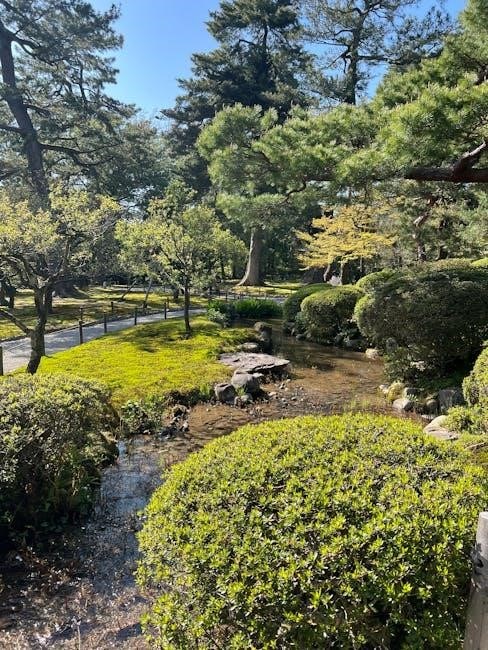
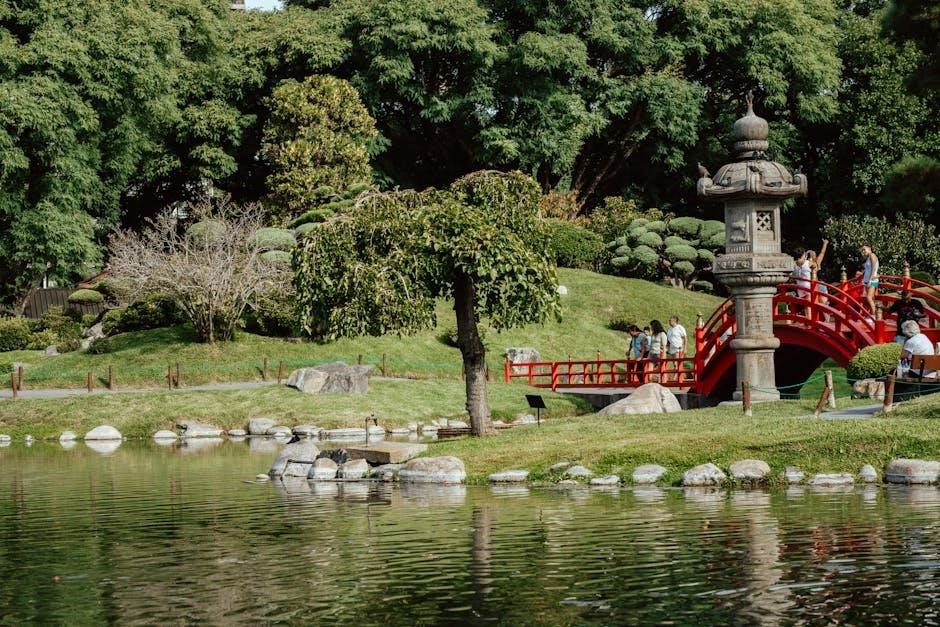
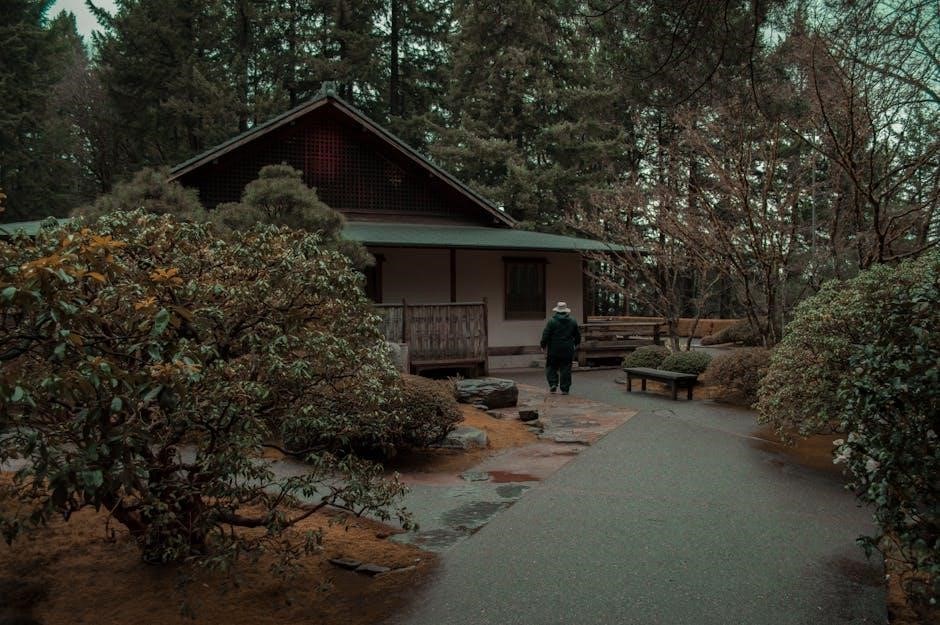
Shoyoen Garden showcases a classic Japanese strolling garden design, meticulously crafted around a long, central lake. This serene body of water reflects the surrounding mountains, creating breathtaking panoramic views. Winding paths invite visitors to explore the garden’s beauty at a leisurely pace, revealing new perspectives with each turn.
The garden’s layout is designed to be appreciated throughout the seasons, with autumn offering particularly stunning displays of color. It’s a space where natural elements are harmoniously blended to evoke tranquility and contemplation, offering a peaceful escape.
The Central Lake and Mountain Views
The heart of Shoyoen Garden is its expansive central lake, a defining feature that dramatically enhances the garden’s aesthetic appeal. This carefully designed waterway serves as a mirror, beautifully reflecting the majestic mountains that form the garden’s backdrop. The interplay between water and mountains creates a sense of depth and tranquility.
Visitors are captivated by the picturesque scenery, experiencing a harmonious blend of natural elements. The lake’s calm surface and the imposing mountain views offer a peaceful and meditative atmosphere, making it a focal point for contemplation and appreciation of nature’s beauty.
Paths and Walking Routes
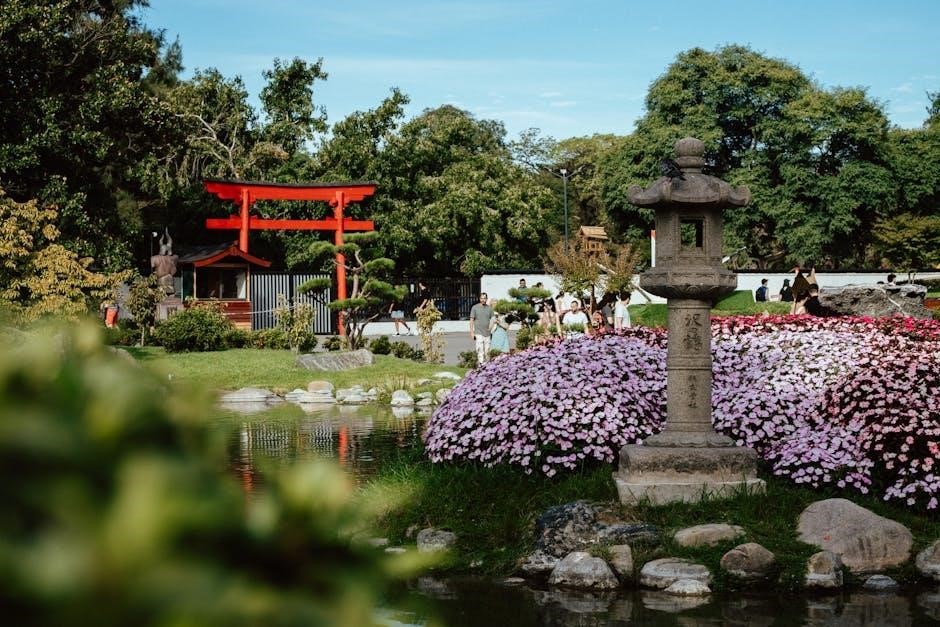
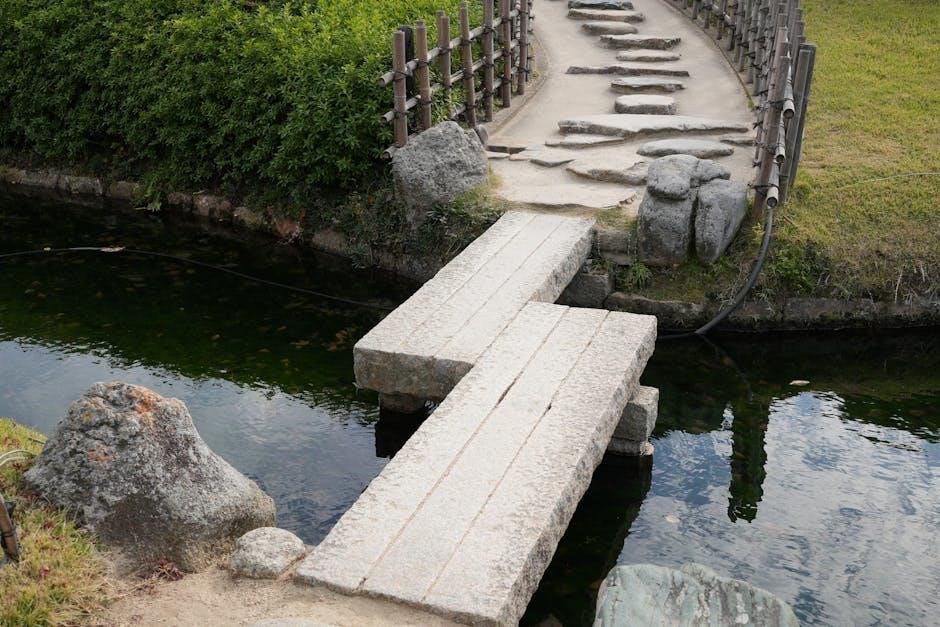
Shoyoen Garden invites visitors to explore its beauty via a network of meticulously maintained paths, designed for a leisurely and immersive experience. These winding routes guide you around the central lake, offering diverse perspectives of the garden’s features and the surrounding mountain scenery.
The paths are easy to navigate, ensuring a comfortable walk for all ages and abilities. As you stroll, you’ll discover hidden corners and vantage points, each revealing a new aspect of the garden’s artistry. The thoughtful layout encourages a slow pace, allowing for full appreciation of the serene atmosphere and natural beauty.
Seasonal Beauty – Autumn Highlights
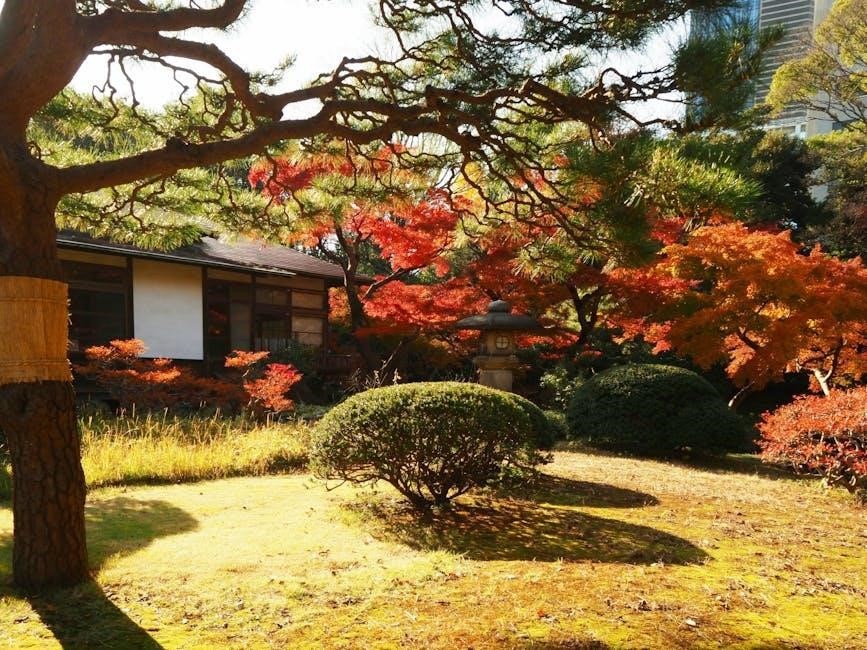
Shoyoen Garden transforms into a breathtaking spectacle during autumn, showcasing a vibrant palette of colors that captivate the senses. The foliage surrounding the central lake and mountains erupts in fiery reds, oranges, and yellows, creating a stunning contrast against the clear blue sky.
This seasonal display is considered the garden’s most stunning period, offering unparalleled photographic opportunities and a deeply immersive experience. The crisp air and gentle sunlight enhance the beauty, making it an ideal time for a peaceful stroll. Witnessing autumn at Shoyoen is truly unforgettable.
Notable Elements within the Garden
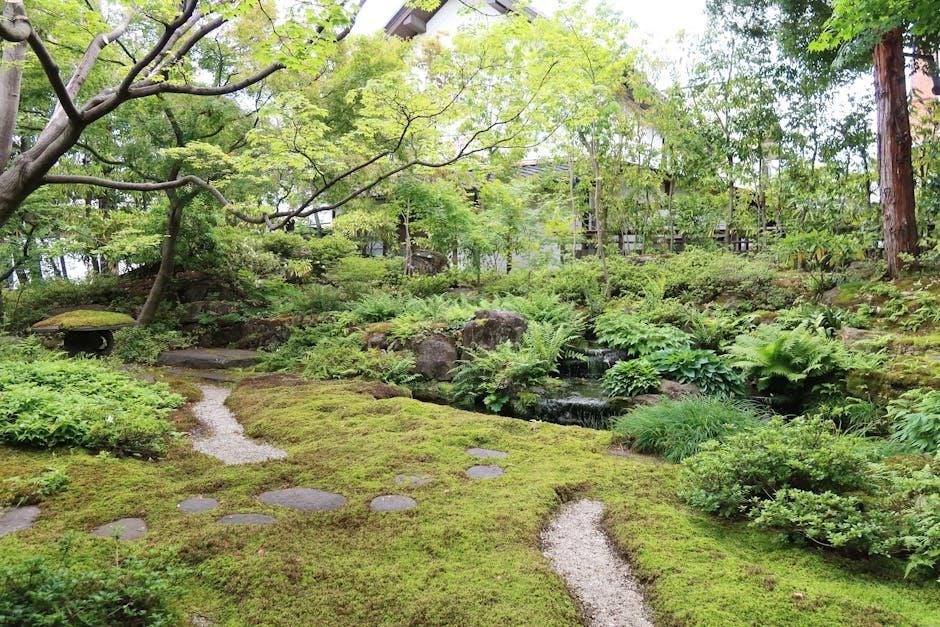
Shoyoen Garden boasts several captivating features that enhance its tranquil atmosphere and natural beauty. A gorgeous waterfall cascades down rocks, adding a soothing soundscape to the landscape, while carefully designed water features contribute to the garden’s serenity.
The vibrant koi pond teems with life, offering visitors a glimpse of colorful fish in their natural habitat. Historic cherry trees, planted beginning in 2002, add to the garden’s charm. These elements, combined with diverse plantings, create a harmonious and memorable experience for all who visit.
Waterfalls and Water Features
The garden’s meticulously crafted waterfalls are a focal point, cascading gracefully over carefully arranged rocks. These aren’t simply aesthetic additions; they contribute significantly to the garden’s peaceful ambiance, providing a calming auditory experience.
Complementing the waterfall are thoughtfully integrated water features, designed to mimic natural streams and ponds. These elements enhance the garden’s overall sense of tranquility and harmony. Visitors often remark on the beauty of the waterfall, noting its picturesque quality and the way it blends seamlessly with the surrounding landscape.
Koi Pond and Wildlife
A vibrant koi pond adds a dynamic element to Shoyoen Garden, teeming with colorful fish that gracefully glide through the water. Observing these koi is a delightful experience for visitors of all ages, offering a moment of peaceful contemplation.
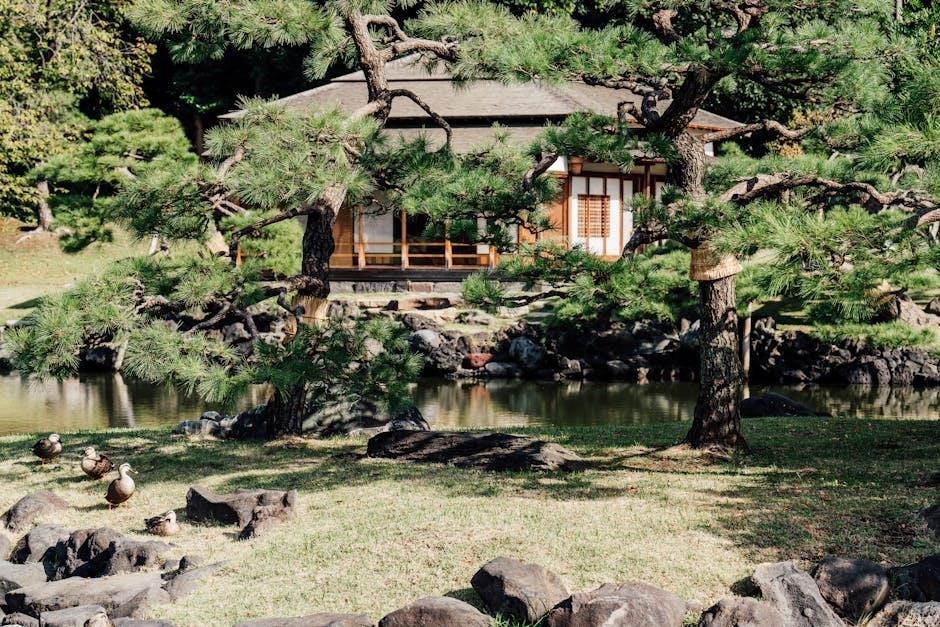
Beyond the koi, the garden supports a variety of local wildlife, including ducks who appear very much at home. This integration of nature enhances the garden’s authenticity and provides opportunities for wildlife viewing. The pond and its inhabitants contribute to the garden’s overall ecosystem, creating a thriving and balanced environment.
Cherry Trees and Planting History
Shoyoen Garden boasts a rich planting history, notably beginning with the introduction of cherry trees on February 25, 2002. A Shinto priest, Toshiyiuki Hasabe, performed a ground breaking ceremony to mark this significant event.
The addition of these cherry trees was a pivotal moment in the garden’s development, enhancing its seasonal beauty and cultural significance. Officially opened on November 23, 2002, coinciding with Dubbo’s 153rd anniversary, the garden showcases a deliberate and thoughtful approach to landscape design and horticultural practice.
Comparing Shoyoen to Other Japanese Gardens
Shoyoen Garden shares aesthetic similarities with other renowned Japanese gardens, particularly those found in Kanazawa. Visitors have noted a resemblance, evoking memories of Kanazawa’s tranquil landscapes and meticulously crafted designs.
Like many traditional Japanese gardens, Shoyoen emphasizes harmony between nature and artistry, featuring carefully arranged plants, water features, and pathways. While Shoyoen possesses its unique charm, its design principles align with the broader traditions of Japanese garden aesthetics, offering a familiar yet distinct experience for garden enthusiasts.
Similarities to Gardens in Kanazawa
Shoyoen’s beauty strikingly recalls the gardens of Kanazawa, particularly in its serene atmosphere and thoughtful composition. One visitor specifically mentioned the garden “reminded us of our time in Kanazawa,” highlighting a shared sense of tranquility and refined aesthetics.
Both Shoyoen and Kanazawa gardens prioritize the integration of natural elements – water, stone, and plant life – to create harmonious landscapes. The presence of a gorgeous waterfall in Shoyoen echoes similar water features found in Kanazawa, enhancing the overall sense of peaceful contemplation.
Planning Your Self-Guided Walk
Prepare for a relaxing experience within this meticulously maintained garden, easily navigated via well-kept paths. Allow approximately 30-60 minutes to fully appreciate Shoyoen’s beauty, though dedicated garden enthusiasts may wish to linger longer. The garden is open seven days a week, with potentially shorter hours on weekends, so plan accordingly.
Autumn offers particularly stunning views, but Shoyoen displays unique charm throughout the seasons. Consider visiting during the weekdays to avoid larger crowds and fully immerse yourself in the peaceful ambiance. Remember comfortable shoes for easy exploration!
Estimated Walk Time
Plan for a leisurely stroll, allocating between 30 to 60 minutes to fully experience Shoyoen Garden’s tranquil beauty. This timeframe allows for appreciating the central lake, mountain views, and carefully curated plantings at a relaxed pace.
Those eager to capture photographs or simply soak in the atmosphere may prefer a longer visit. The garden’s compact size and well-maintained paths ensure a comfortable walk for visitors of all ages and abilities. Remember to factor in potential pauses for observation and reflection during your self-guided exploration.
Best Times to Visit
Shoyoen Garden offers year-round appeal, but autumn unveils its most spectacular beauty with vibrant foliage. Spring is also delightful, particularly when the cherry trees are in bloom, having been first planted in 2002.
Weekdays generally experience fewer crowds, enhancing the sense of tranquility. Consider visiting during the shoulder seasons – spring and fall – for pleasant weather and fewer tourists. The garden is open seven days a week, though hours may be shorter on weekends, so plan accordingly for an optimal experience.
Combining Shoyoen with Other Nikko Attractions
Shoyoen Garden seamlessly integrates with the broader Nikko experience, being a part of the renowned Nikko temple complex. Many visitors efficiently combine a Shoyoen visit with explorations of other UNESCO World Heritage sites in the area.
Local buses from Nikko Station provide convenient access, facilitating a multi-site itinerary. Consider pairing Shoyoen with visits to Toshogu Shrine or Futarasan Shrine for a comprehensive cultural immersion. Walking and utilizing the local bus network is a popular method for navigating between these captivating destinations, maximizing your time in Nikko.
Integrating with the Nikko Temple Complex
Shoyoen Garden’s location within the Nikko temple complex allows for a fluid and enriching experience. It’s easily accessible, enhancing a visit to the broader historical and spiritual heart of Nikko.
Visitors can seamlessly transition from the grandeur of Toshogu Shrine or the tranquility of Rinno-ji Temple to the peaceful beauty of Shoyoen. This integration provides a balanced perspective on Nikko’s cultural heritage, showcasing both its elaborate religious structures and refined garden aesthetics. Utilizing local buses simplifies movement between these sites, creating a cohesive exploration.
UNESCO World Heritage Site Exploration
Shoyoen Garden complements the broader UNESCO World Heritage designation of the Nikko shrines and temples. Visiting Shoyoen adds another layer to understanding the historical and cultural significance recognized by UNESCO.
Exploring Nikko’s UNESCO sites offers a journey through centuries of Japanese history, artistry, and religious devotion. Shoyoen, with its meticulously crafted landscape, exemplifies the aesthetic principles valued during the Edo period. Combining Shoyoen with other sites like Toshogu Shrine provides a comprehensive view of Nikko’s cultural landscape, showcasing both architectural marvels and serene garden spaces.
Guided Tour Options
For a deeper understanding of Shoyoen Garden’s history and design, consider a guided tour. While self-guided exploration is rewarding, a knowledgeable guide can reveal nuances often missed.
The local council offers guided tours, providing insights into the garden’s creation, plant life, and cultural significance. Booking is readily available by contacting the council directly, ensuring a personalized experience. These tours enhance appreciation for the garden’s artistry and the principles of Japanese garden design. Engaging with a guide unlocks hidden stories and provides a richer, more immersive visit to this tranquil haven.
Booking Guided Tours with the Council
Securing a guided tour of Shoyoen Garden is conveniently managed through direct contact with the local council. Reservations are essential, particularly during peak seasons, to guarantee availability and preferred time slots.
Interested visitors can book tours by calling the council; specific contact details are readily available online or through the Nikko tourism information center. Advance booking allows the council to allocate experienced guides and tailor tours to group sizes and interests. This ensures a personalized and informative experience, enhancing your appreciation for the garden’s beauty and cultural significance.
Nearby Attractions and Amenities
Shoyoen Garden’s location provides easy access to a wealth of nearby attractions, particularly within the broader Nikko temple complex. Visitors can seamlessly integrate a visit to Shoyoen with explorations of other UNESCO World Heritage sites in the area, maximizing their cultural experience.
The garden is well-served by local buses originating from Nikko Station, facilitating convenient travel between sites. Beyond the temples, Nikko offers a range of amenities including restaurants, shops, and accommodation options to suit all preferences. Full-day private walking tours are also available, offering comprehensive exploration of Nikko’s treasures.
Photography Opportunities
Shoyoen Garden presents a photographer’s paradise, offering stunning visuals throughout the seasons, but especially breathtaking during autumn. Capture the beauty of the central lake reflecting the surrounding mountains, and the meticulously maintained paths winding through the landscape.
The garden’s waterfall and koi pond provide dynamic subjects, while the cherry trees offer picturesque scenes in spring. Don’t miss opportunities to frame the traditional architecture against the natural backdrop. The garden’s overall tranquility and carefully curated details lend themselves to artistic and memorable photographs, reminiscent of Kanazawa gardens.
Garden Maintenance and Preservation
Maintaining Shoyoen Garden’s beauty requires dedicated effort, ensuring its continued tranquility for visitors. The garden is open seven days a week, with adjusted hours on weekends, reflecting ongoing care. Initial planting, including cherry trees, began in 2002 with a Shinto blessing, signifying respect for tradition.
Preservation involves careful tending to the paths, water features, and plant life. The council offers guided tours, supporting the garden financially and raising awareness of its importance. This commitment ensures Shoyoen remains a captivating space, mirroring the aesthetic principles of renowned Japanese gardens.
Visitor Reviews and Experiences
Visitors consistently praise Shoyoen Garden as a delightful and relaxing escape. Many describe it as a “beautiful” and “well-maintained” space, perfect for an easy stroll. Comparisons to gardens in Kanazawa highlight its authentic Japanese aesthetic, particularly the gorgeous waterfall and peaceful koi pond.
Reviewers appreciate the garden’s accessibility from Nikko Station via the World Heritage Tour buses. It’s often combined with explorations of the broader Nikko temple complex and UNESCO World Heritage sites. Overall, experiences suggest Shoyoen offers a memorable and serene experience for all.
Additional Resources and Information
For those seeking a more in-depth experience, guided tours of Shoyoen Garden are available. Interested parties can book these tours directly through the local council, ensuring expert insights into the garden’s history and design. Beyond Shoyoen, consider exploring the wider Nikko area, rich with temples and UNESCO World Heritage sites.
Numerous full-day private walking tours of Nikko incorporate Shoyoen, offering convenient access and comprehensive exploration. Online reviews and travel blogs provide further perspectives and planning assistance. Remember to check opening times, especially during weekends, as hours may be reduced.