The Boss RC-300 is a powerful loop station, extensively documented with freely available user manuals and online resources, including those from Internet Archive and ManualsLib․
What is the Boss RC-300?
The Boss RC-300 is a sophisticated loop creation tool designed for musicians seeking to build layered performances․ As detailed in readily available user manuals – accessible via resources like the Internet Archive – it’s a compact yet robust unit offering three independent loop tracks․
This allows for complex arrangements to be constructed in real-time․ The RC-300 isn’t simply a recording device; it’s a performance instrument․ ManualsLib hosts downloadable versions of the official owner’s manual, providing comprehensive guidance․ It empowers users to capture, manipulate, and refine audio loops, offering a vast palette for sonic exploration․ It’s a cornerstone for live looping, beatboxing, and experimental music production․
Key Features and Capabilities
The Boss RC-300, as outlined in its user manual, boasts three simultaneous loop tracks for intricate layering․ It features 99 onboard memory slots for saving loops, ensuring performance flexibility․ Real-time effects, including modulation and filtering, are readily accessible, enhancing sonic textures․
Connectivity options are extensive, supporting external pedals and instruments․ MIDI control allows synchronization with other devices, like the Beat Buddy, as discussed in Singular Sound forums․ The manual details how to utilize the built-in rhythms and drum sounds․ Quantization features ensure rhythmic precision, while the intuitive interface simplifies complex operations․ It’s a versatile tool for both beginners and experienced loopers․
Target User: Who is this Loop Station For?
The Boss RC-300, detailed in its comprehensive user manual, caters to a broad spectrum of musicians․ It’s ideal for solo performers seeking to build layered arrangements on the fly․ Band members can utilize it for creating backing tracks or augmenting live performances․
Songwriters will find it invaluable for sketching ideas and developing compositions․ The RC-300’s versatility also appeals to beatboxers, DJs, and electronic music producers․ While seemingly complex, the manual guides users through its features, making it accessible to beginners․ Experienced loopers will appreciate its advanced capabilities and customization options, ensuring a rewarding experience for all skill levels․
Getting Started with the RC-300
Initial setup is straightforward, guided by the Boss RC-300’s user manual․ Unboxing reveals the unit, power adapter, and documentation for quick operation․
Unboxing and Initial Setup
Upon receiving your Boss RC-300, carefully inspect the box for any signs of damage during shipping․ Inside, you’ll find the RC-300 loop station itself, a power adapter (typically a standard Boss PSA-series adapter), and the comprehensive owner’s manual – readily available for free download from resources like ManualsLib and the Internet Archive․
Before connecting the power, take a moment to familiarize yourself with the unit’s physical layout․ The manual details each input and output jack, footswitch, and knob․ Ensure all included components are present․ Connecting the power adapter initiates the setup process․ The RC-300 is now ready for basic configuration, as outlined in the user guide․
Powering On and Basic Controls
To power on the RC-300, simply connect the provided Boss PSA-series power adapter and press the power button located on the rear panel․ The unit will boot up, displaying the main screen․ The user manual details the function of each control․ Key controls include the footswitches for recording, playback, and overdubbing, alongside the rotary knobs for adjusting loop volume and effects parameters․
The manual emphasizes understanding the “phrase” concept – the RC-300 operates using multiple loops, or phrases․ Experiment with the basic controls to initiate recording, playback, and loop manipulation․ Refer to the manual for detailed explanations of each function, ensuring a smooth learning curve․
Understanding the Interface Layout
The RC-300’s interface, detailed in the user manual, centers around a clear LCD screen and surrounding control knobs and footswitches․ The screen displays loop information, effects settings, and memory slots․ Knobs adjust parameters like loop volume, effect depth, and tempo․ Footswitches control recording, playback, and loop manipulation functions․
The manual highlights the organization into “banks” and “phrases,” representing different loop collections and individual loops respectively․ Familiarize yourself with the layout to efficiently navigate and access various functions․ Understanding the visual cues on the LCD screen, as explained in the manual, is crucial for effective operation․

Core Functionality: Looping Basics
The RC-300 manual details fundamental looping: recording, playback, overdubbing, and erasing․ Mastering these basics, through practice and the guide, unlocks the loop station’s potential․
Recording Your First Loop
Initiating a loop on the Boss RC-300, as outlined in the user manual, begins with selecting a memory bank․ Press the “Record” button – the manual emphasizes this is crucial for starting the capture process․ The RC-300 immediately begins recording from your connected instrument or microphone․
Play your desired phrase; the manual suggests keeping it relatively short initially for easier management․ To finalize the loop, press the “Record” button again․ The RC-300 will seamlessly transition into playback, looping your recorded phrase continuously․ The manual details how the loop’s length is determined by the time between the first and second press of the “Record” button․ Experimentation is encouraged to grasp this core functionality․
Remember to consult the manual for specific settings related to quantization and loop start/end points for refined loop creation․
Loop Start and End Points
Precisely defining loop start and end points is a key feature of the Boss RC-300, detailed in its user manual․ After recording, you can adjust these points to refine your loop’s timing and eliminate unwanted silence or noise․ The manual explains utilizing the “In” and “Out” buttons while in loop playback to pinpoint the desired start and end locations․
These adjustments are made in real-time, allowing for dynamic loop shaping․ The manual also highlights the use of the footswitch assigned to “Loop Out” for immediate loop termination and point setting․ Fine-tuning is possible with the “Tempo” knob, offering granular control․
Mastering these controls, as the manual suggests, unlocks creative looping possibilities and ensures tight, professional-sounding loops․
Loop Quantization and Timing
The Boss RC-300’s user manual emphasizes its robust quantization features, crucial for maintaining rhythmic accuracy․ Quantization automatically adjusts loop start and end points to align with a specified tempo, eliminating timing imperfections․ The manual details several quantization modes, ranging from subtle smoothing to strict grid-based alignment․
Users can select different quantization levels to suit their musical style and performance needs․ The manual also explains how to disable quantization entirely for freeform looping․ Furthermore, the RC-300 allows tempo adjustment via tap tempo or external MIDI clock synchronization, ensuring seamless integration with other instruments․

Understanding these timing controls, as outlined in the manual, is vital for creating polished and professional loops․
Advanced Looping Techniques
The RC-300 manual details advanced techniques like overdubbing, memory usage for storing loops, and real-time effects processing for dynamic sound manipulation․
Overdubbing and Layering
The Boss RC-300’s manual comprehensively explains overdubbing, a core technique for building complex loops․ This involves recording additional parts over an existing loop, creating layered textures․ The manual details how to seamlessly add new sounds without disrupting the rhythmic foundation․
Users can explore various overdubbing styles, from subtle enhancements to radical transformations․ The RC-300 allows for unlimited overdubbing passes, enabling intricate arrangements․ Understanding the manual’s guidance on input levels is crucial for maintaining clarity and preventing distortion during layering․ Experimentation with different effects while overdubbing unlocks a vast sonic palette․
The manual also clarifies how to manage loop memory when layering extensively, ensuring optimal performance and preventing unexpected behavior․ Mastering overdubbing is key to unlocking the RC-300’s full creative potential․
Using the Memory Function
The Boss RC-300 user manual details its robust memory function, vital for storing and recalling loops․ The RC-300 offers 99 memory slots, allowing users to save a substantial library of creations․ The manual explains the process of saving loops, including naming conventions for easy identification․
It clarifies how to back up memory contents, safeguarding against data loss․ Users can also chain loops together, creating song structures stored as single memory presets․ The manual emphasizes efficient memory management, advising on deleting unused loops to maximize storage․
Furthermore, it explains how to copy and paste loops between memory slots, facilitating quick editing and arrangement․ Mastering the memory function is essential for live performance and complex compositions․
Real-Time Effects and Processing
The Boss RC-300 user manual comprehensively covers its real-time effects capabilities․ Users can apply a wide range of effects to loops during playback, adding depth and texture․ These include reverb, delay, chorus, and more, all adjustable via dedicated knobs and footswitches․
The manual details how to assign effects to specific loops or globally across all tracks․ It explains the nuances of each effect, including parameter control for fine-tuning the sound․ Furthermore, it outlines how to use the RC-300’s processing power to creatively manipulate loops on the fly․
Experimentation with these effects is encouraged, allowing for dynamic and evolving performances․ The manual provides examples and tips for maximizing the RC-300’s sonic potential․
Connectivity and External Control
The RC-300 manual details connections to pedals, instruments, and MIDI devices for synchronization and control, as discussed in Singular Sound Forum posts․
Connecting to Pedals and Instruments
The Boss RC-300’s manual thoroughly explains connecting various instruments and pedals․ Standard ¼ inch jacks handle guitar and bass inputs, while stereo inputs accommodate keyboards or other line-level sources․
For integrating effects pedals, the manual suggests placing them either before or within the loop, depending on the desired effect․ Experimentation is encouraged! The RC-300’s flexible routing allows for diverse signal chains․
The manual also details impedance matching considerations for optimal sound quality․ Proper cable selection is crucial for minimizing noise and ensuring a clean signal path․ Refer to the manual’s diagrams for clear visual guidance on connection configurations․
MIDI Control and Synchronization
The Boss RC-300 manual dedicates significant coverage to MIDI implementation․ It details how to synchronize the loop station with external devices like drum machines, sequencers, and, notably, the Beat Buddy (BB) as discussed in Singular Sound forums․
MIDI Clock synchronization ensures tight timing between the RC-300 and other MIDI-enabled gear․ The manual explains configuring MIDI input and output channels for seamless communication․
Furthermore, the RC-300 can be controlled via MIDI, allowing for remote start/stop, loop switching, and effect parameter adjustments․ The manual provides a comprehensive MIDI implementation chart outlining all supported messages and their functions․
Integrating with Beat Buddy (BB)
The Boss RC-300 user manual, alongside community discussions on platforms like the Singular Sound forum, addresses integration with the Beat Buddy drum machine․ Users often seek guidance on establishing a stable connection using MIDI cables․
Successful integration typically involves setting the Beat Buddy as the MIDI clock master, sending clock signals to the RC-300․ This ensures the loop station remains synchronized with the BB’s tempo and beat structure․

The manual details configuring the RC-300’s MIDI settings to receive external clock․ Troubleshooting tips address common issues like synchronization problems, often stemming from incorrect MIDI channel assignments or cable connections․
Detailed Control Parameters
The RC-300’s user manual thoroughly explains adjusting loop volume, effect parameters, and memory management․ Backing up loops is also covered in detail․
Loop Volume and Level Adjustment

The Boss RC-300 user manual dedicates significant attention to precise loop volume control․ Users can independently adjust the volume of each loop layer, ensuring a balanced mix during overdubbing and performance․ Dedicated knobs and parameters allow for fine-tuning the input level, preventing clipping and maximizing signal clarity․
Understanding the relationship between input gain and loop volume is crucial for optimal sound quality․ The manual details how to utilize the level meters effectively, avoiding distortion while maintaining a strong signal․ Furthermore, it explains how to adjust the overall output level to match various PA systems or recording interfaces․ Mastering these controls allows musicians to sculpt their loops with nuance and precision, creating dynamic and engaging performances․
Effect Parameter Control

The Boss RC-300 user manual thoroughly explains its extensive effects capabilities․ Users can manipulate a wide array of parameters, including delay time, feedback, modulation rate, and filter cutoff, directly from the front panel․ The manual details how to access and modify these settings in real-time, adding dynamic textures to loops․
It clarifies the function of each effect type and provides guidance on achieving specific sonic results․ Understanding parameter interaction is key; the manual illustrates how combining effects can create complex and unique soundscapes․ Dedicated knobs and footswitch assignments allow for intuitive control during live performance, enabling seamless transitions and expressive manipulation of the loop’s sonic character․
Memory Management and Backup
The Boss RC-300 user manual dedicates a section to efficient memory management․ It details how to save loops to the internal memory, organizing them into banks and numbers for easy recall․ The manual explains the process of overwriting existing loops and the importance of naming conventions for quick identification during live sets․
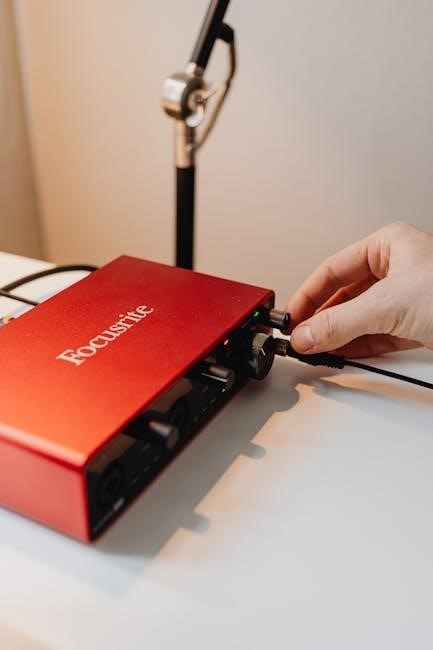
Crucially, it outlines methods for backing up loops to external storage via SD card, safeguarding against data loss․ This is vital for preserving created content․ The manual also clarifies how to restore loops from backups, ensuring seamless recovery․ Proper memory management and regular backups are strongly recommended for reliable performance and creative preservation․
Troubleshooting Common Issues
The RC-300 manual addresses issues like no sound, synchronization problems, and MIDI errors, offering solutions for users to quickly resolve common operational difficulties․
No Sound Output
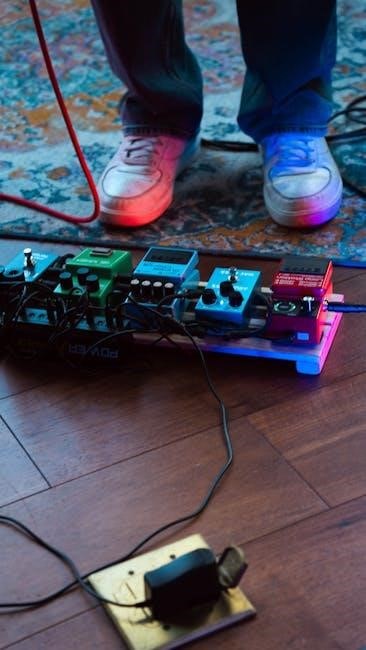
If you experience no sound from your Boss RC-300, the user manual suggests several troubleshooting steps․ First, verify all cable connections to your instrument, amplifier, and the loop station itself․ Ensure the cables are securely plugged in and functioning correctly․
Next, check the volume levels on both the RC-300 and your amplifier․ Confirm that the loop volume isn’t muted or set too low․ Also, examine the input level to prevent clipping or distortion․
Review the selected loop; is it active and playing back? Confirm the correct input is assigned to the active loop․ Finally, consult the manual for specific troubleshooting guidance related to your setup and potential issues with phantom power or impedance matching․

Looping Synchronization Problems
Experiencing timing issues with your loops on the Boss RC-300? The user manual highlights several potential causes․ Verify the tempo setting is accurate and consistent with your desired speed․ Utilize the quantization feature to automatically align loop start and end points to the nearest beat, minimizing timing discrepancies․
If using external synchronization, such as MIDI, ensure proper connection and configuration․ Check the MIDI clock settings to confirm the RC-300 is receiving and interpreting the clock signal correctly․ Experiment with the swing setting to adjust the rhythmic feel and potentially resolve subtle timing conflicts․
Refer to the manual for detailed instructions on MIDI synchronization and troubleshooting common timing errors․
MIDI Communication Errors
Encountering issues with MIDI control on your Boss RC-300? The user manual details troubleshooting steps․ First, confirm all MIDI cables are securely connected to both the RC-300 and your controlling device․ Verify the MIDI channel settings on both devices match, ensuring they are communicating on the same channel․
Check the transmit and receive settings within the RC-300’s MIDI configuration menu․ Ensure your controlling device is sending the correct MIDI messages for the desired functions․ Consult the manual for a comprehensive list of supported MIDI control change (CC) numbers․
If problems persist, try a different MIDI cable or USB connection․

RC-300 Specifications
The RC-300’s specifications, detailed in the user manual, include specific power requirements, dimensions, weight, and a full listing of input/output connections․
Power Requirements
The Boss RC-300 loop station operates on a DC 9V power supply․ It’s crucial to use a regulated power supply to ensure stable operation and prevent potential issues․ The recommended current draw is 850mA, so a power supply capable of delivering at least this amount is necessary․
The unit accepts a standard center-negative 9V DC jack․ Using an incorrect power supply, such as one with a different voltage or polarity, could damage the RC-300․ Battery operation is also supported, utilizing six AA-size alkaline or manganese batteries․ Battery life will vary depending on usage, particularly the frequency of looping and effect utilization․ Refer to the official user manual for detailed information regarding battery life estimates and proper battery installation procedures․
Dimensions and Weight
The Boss RC-300 loop station is designed for robust portability, making it ideal for both studio and stage use․ Its dimensions are 7․32 inches (W) x 4․92 inches (D) x 2․44 inches (H)․ These compact measurements allow for easy integration into existing pedalboards or convenient transport in a gig bag․
Regarding weight, the RC-300 tips the scales at approximately 1․65 pounds (750 grams)․ This relatively lightweight construction contributes to its overall portability without compromising its build quality and durability․ The solid metal chassis ensures the unit can withstand the rigors of frequent use and travel․ These specifications are readily available in the official Boss RC-300 user manual․
Input/Output Connections
The Boss RC-300 boasts a comprehensive array of input and output connections for versatile integration with various instruments and audio systems․ It features a stereo ¼ inch input for connecting guitars, keyboards, or other line-level sources․ Stereo ¼ inch outputs deliver the looped audio to amplifiers, mixers, or recording interfaces․
Additionally, the RC-300 includes a dedicated stereo pair of RCA outputs, offering an alternative connection method․ A USB port enables direct recording to computers and facilitates firmware updates․ Crucially, it supports MIDI input and output for synchronization with drum machines like the Beat Buddy, as discussed in Singular Sound forums․ Detailed connection diagrams are found within the official Boss RC-300 user manual․
Resources and Further Learning
Explore the official Boss RC-300 manual, online forums like Singular Sound, and numerous tutorial videos for comprehensive learning and support․
Official Boss RC-300 Manual Download
Accessing the official Boss RC-300 manual is crucial for understanding all its features and functionalities․ Fortunately, Boss provides readily available digital copies for download․ The Internet Archive hosts a digitized version, identified as ark:/13960/t5gc1b55g, offering convenient access․
ManualsLib also provides a downloadable PDF version of the RC-300 owner’s manual, allowing users to easily navigate and reference information offline․ These manuals cover everything from basic operations to advanced techniques, ensuring users can maximize their looping experience․
Downloading the manual provides detailed explanations of controls, connectivity options, troubleshooting tips, and specifications, empowering users to fully utilize the RC-300’s capabilities․ It’s a vital resource for both beginners and experienced loopers․
Online Forums and Communities
Engaging with online forums and communities dedicated to the Boss RC-300 is an invaluable way to enhance your understanding and troubleshoot issues․ The Singular Sound Forum, for example, features discussions specifically addressing RC-300 integration with Beat Buddy, offering practical advice and solutions․
These platforms provide a space to ask questions, share techniques, and learn from other users’ experiences․ Many experienced RC-300 users actively participate, offering guidance and support to newcomers․
Exploring these communities can unlock hidden features, reveal creative looping ideas, and provide assistance with complex setups․ They are a fantastic supplement to the official user manual, fostering a collaborative learning environment․
Tutorial Videos and Guides
Numerous tutorial videos and guides are readily available online, complementing the official Boss RC-300 user manual․ While some resources, like a specific YouTube video mentioned in forum discussions, may be difficult to follow, many others offer clear, step-by-step instructions․
These visual aids demonstrate practical techniques, from basic looping to advanced overdubbing and effect utilization․ Searching platforms like YouTube with keywords like “Boss RC-300 tutorial” will yield a wealth of content․
Visual learners will particularly benefit from these resources, as they provide a dynamic and engaging way to grasp the RC-300’s functionality․ They often showcase real-world applications and creative looping ideas․